

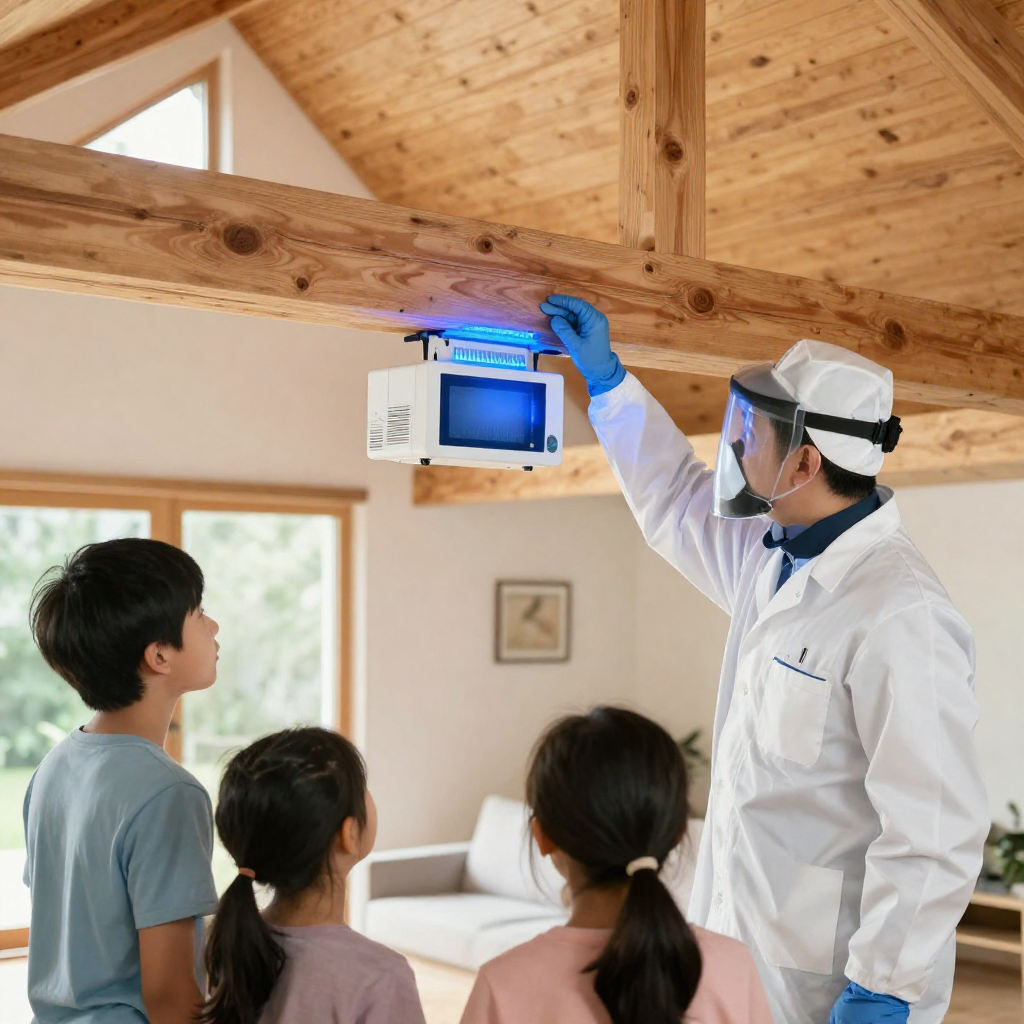
Pest treatments play an important role in protecting homes, businesses, and wooden structures from insects that can cause costly damage. Whether you’re dealing with woodworm, termites, rodents, or other household pests, choosing the right treatment is only part of the process. Just as important is following good safety practices to help reduce unnecessary exposure to pesticides and other treatment products.
Modern pest control has become much safer than it was decades ago. Professional pest control companies use regulated products, follow strict application guidelines, and provide homeowners with clear instructions before and after treatment. At the same time, many people prefer to minimize chemical use whenever practical by combining preventive maintenance with targeted or chemical-free treatment methods.
In this guide, we’ll explain practical ways to reduce exposure during pest treatment, compare chemical and non-chemical options, and share best practices for keeping your home safe throughout the process.Visit online https://www.shashel.eu for more details .
Why Reducing Chemical Exposure Matters
Pesticides are designed to control pests, which is why they should always be handled carefully.
Reducing unnecessary exposure helps:
- Improve indoor comfort.
- Support responsible pesticide use.
- Protect children and pets from accidental contact.
- Minimize unnecessary chemical applications.
- Promote environmentally responsible home maintenance.
The goal is not to avoid professional pest treatment when it is needed, but to ensure it is carried out safely and effectively.
1. Choose a Qualified Pest Control Professional
One of the most effective ways to reduce unnecessary exposure is to hire an experienced, licensed pest control provider.
Qualified professionals will:
- Correctly identify the pest.
- Select the appropriate treatment.
- Apply products according to regulations.
- Explain safety precautions.
- Provide guidance on re-entry times.
Proper application reduces the likelihood of unnecessary pesticide use.
2. Ask About Treatment Options
Before work begins, ask your pest control company about the available treatment methods.
Depending on the infestation, options may include:
- Targeted insecticide treatments
- Heat-based methods
- Microwave woodworm treatment
- Integrated Pest Management (IPM)
- Preventive maintenance
Understanding the available choices allows you to select the approach that best fits your needs.
3. Follow All Pre-Treatment Instructions
Professional contractors often provide preparation instructions before treatment.
These may include:
- Removing food from exposed areas.
- Covering aquariums where appropriate.
- Securing children’s toys.
- Moving pets to a safe location.
- Clearing access to treatment areas.
Following these instructions helps ensure safe and effective treatment.
4. Keep Children and Pets Away During Treatment
Children and animals are naturally curious and may accidentally touch freshly treated surfaces.
Until your pest control provider advises that it is safe:
- Keep children away from treatment areas.
- Prevent pets from entering treated rooms.
- Avoid contact with freshly treated timber or surfaces.
Always follow the contractor’s specific recommendations.
5. Ventilate the Property If Recommended
Some treatments may require ventilation after application.
Opening windows or using mechanical ventilation, when recommended, can help improve indoor air circulation.
Always follow the guidance provided by the pest control professional, as ventilation requirements vary depending on the treatment used.
6. Observe Re-Entry Times
Many professional treatments include recommended waiting periods before occupants return to treated areas.
These instructions are based on the product being used and should always be followed.
Do not re-enter treated spaces until your contractor confirms it is appropriate to do so.
7. Consider Targeted Treatments
Localized treatments often reduce the amount of product needed compared with broad-area applications.
Targeted treatment may:
- Reduce unnecessary pesticide use.
- Focus only on affected areas.
- Minimize disruption.
- Support more sustainable pest management.
Your pest control professional can advise whether localized treatment is appropriate.
8. Explore Chemical-Free Alternatives
For some pest problems, non-chemical methods may be available.
One example is microwave woodworm treatment.
Professional microwave equipment generates controlled heat inside timber through dielectric heating, eliminating:
- Woodworm larvae
- Beetle eggs
- Pupae
- Adult wood-boring beetles
without applying insecticides directly to the wood.
This treatment leaves no chemical residue on the timber.
9. Store Pest Control Products Safely
If using approved DIY products:
- Store them in their original containers.
- Keep them out of reach of children.
- Protect them from extreme temperatures.
- Follow disposal instructions provided on the label.
Never transfer pesticides into food or drink containers.
10. Prevent Future Infestations
The best way to reduce pesticide use is to prevent infestations from developing.
Simple preventive measures include:
- Repair roof leaks promptly.
- Improve ventilation.
- Reduce indoor humidity.
- Seal entry points.
- Inspect timber regularly.
- Keep wooden structures dry.
- Address moisture problems quickly.
Good maintenance often reduces the need for repeated treatments.
Microwave Treatment vs. Traditional Chemical Treatments
| Feature | Microwave Treatment | Traditional Chemical Treatment |
|---|---|---|
| Uses Chemicals | No | Yes |
| Leaves Chemical Residues | No | Usually yes |
| Uses Heat | Yes | No |
| Suitable for Localized Woodworm | Excellent | Good |
| Environmental Impact | Lower | Moderate |
Both treatment methods have valuable roles, and the most appropriate choice depends on the infestation and the property’s condition.
Integrated Pest Management (IPM)
Many environmentally responsible companies follow Integrated Pest Management (IPM) principles.
IPM combines:
- Routine inspections
- Accurate pest identification
- Moisture management
- Building maintenance
- Physical prevention methods
- Targeted treatments only when necessary
This approach helps reduce unnecessary pesticide applications while maintaining effective pest control.
Common Myths About Pest Treatment Safety
Myth 1: More Pesticide Means Better Results
Fact: Applying more product than recommended does not necessarily improve effectiveness and may increase unnecessary exposure. Always follow the manufacturer’s instructions or the advice of a qualified professional.
Myth 2: Chemical-Free Treatments Are Suitable for Every Pest
Fact: Heat-based and chemical-free methods work well in many situations, but some infestations may require approved chemical treatments depending on the pest species and severity.
Myth 3: Professional Treatments Require No Safety Precautions
Fact: Even when treatments are professionally applied, homeowners should still follow preparation, ventilation, and re-entry instructions.
When Should You Contact a Professional?
Professional advice is recommended if:
- Structural timber is affected.
- Fresh frass continues appearing.
- New exit holes develop.
- Moisture problems persist.
- You have children or pets and want guidance on the safest treatment options.
- You’re interested in chemical-free alternatives such as microwave woodworm treatment.
A qualified pest control or timber preservation specialist can assess your property and recommend the most effective treatment while explaining the appropriate safety measures.
Conclusion
Reducing toxic exposure during pest treatment begins with choosing the right pest control provider, following safety instructions, and selecting the most appropriate treatment for your situation. Professional chemical treatments remain an effective solution for many infestations when applied according to regulations, while non-chemical options such as microwave woodworm treatment provide an alternative for certain localized timber pests.
By combining preventive maintenance, responsible product use, proper ventilation, and Integrated Pest Management strategies, homeowners can protect their properties while minimizing unnecessary chemical exposure. Working with qualified professionals and following their guidance ensures that pest treatments remain both effective and safe for your household.