

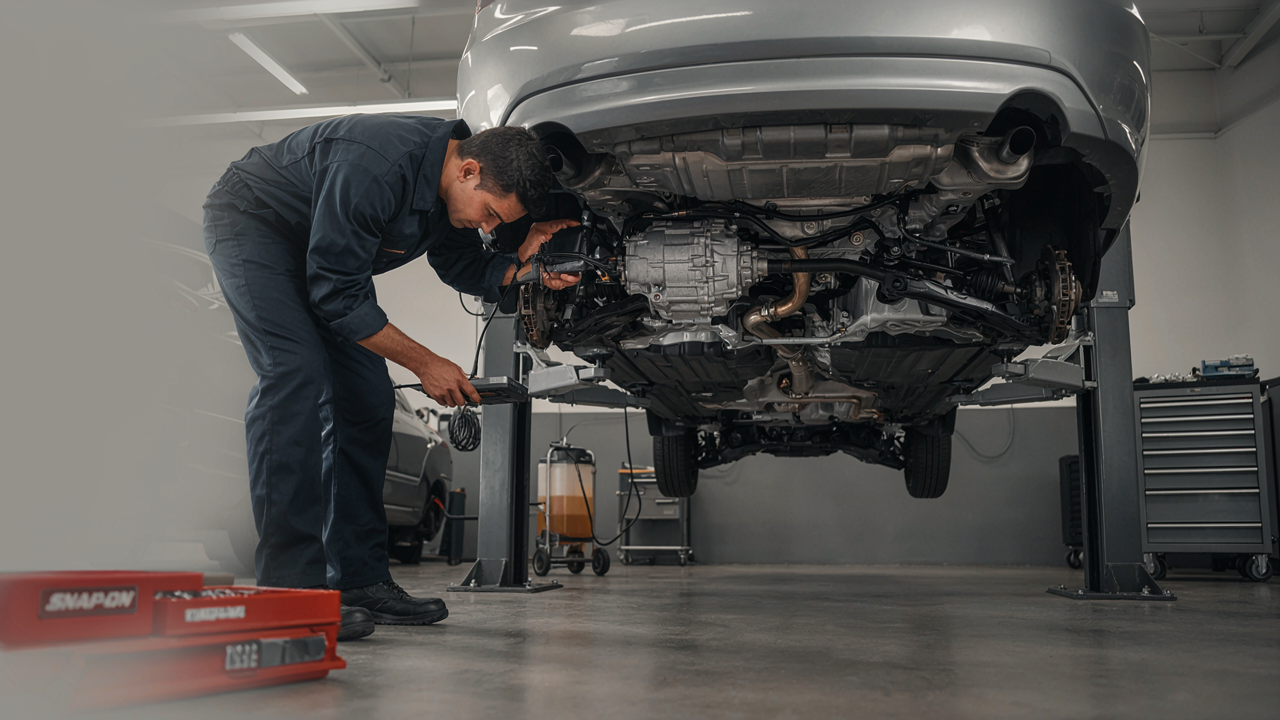
Vehicle ownership comes with the responsibility of regular auto maintenance, a practice that protects performance, improves safety, and helps prevent expensive repairs. Every trip places stress on essential components such as the engine, brakes, tires, suspension, and electrical system. Without routine inspections and scheduled service, minor wear can gradually develop into larger mechanical issues that affect reliability and driving comfort. Shade Tree Auto understands the importance of preventive vehicle care and professional maintenance in helping drivers keep their vehicles operating at their best.
Whether driving to work each day, taking weekend road trips, or using a vehicle for business purposes, following a consistent maintenance schedule helps keep every system operating efficiently. Preventive care also reduces the likelihood of unexpected breakdowns while extending the lifespan of important vehicle components.
Why Auto Maintenance Should Never Be Delayed
Every vehicle is designed with recommended service intervals based on mileage and time. These intervals help ensure that parts are inspected, cleaned, adjusted, or replaced before normal wear begins affecting performance.
Routine maintenance delivers several long-term benefits, including:
- Improved engine efficiency
- Better fuel economy
- Enhanced driving safety
- Lower repair expenses over time
- Longer vehicle lifespan
- Increased resale value
- Greater reliability during everyday driving
Ignoring routine service may seem harmless initially, but neglected maintenance often leads to larger repairs that require significantly more time and expense.
Auto Maintenance Essentials Every Driver Should Know
A complete maintenance plan involves much more than changing the engine oil. Every major vehicle system contributes to overall performance and should receive regular attention.
Engine Oil and Filter Changes
Engine oil lubricates moving components, reduces friction, removes contaminants, and helps regulate engine temperature. Over time, oil breaks down and loses its protective properties.
Replacing both the oil and filter at recommended intervals helps:
- Reduce engine wear
- Improve fuel efficiency
- Prevent sludge buildup
- Support smoother engine performance
- Extend engine life
Drivers who frequently travel in stop-and-go traffic, tow heavy loads, or drive in extreme temperatures may require more frequent oil changes.
Tire Maintenance Improves Safety
Tires are the only point of contact between the vehicle and the road. Their condition directly affects steering, braking, and overall handling.
Routine tire care includes:
- Checking tire pressure monthly
- Rotating tires regularly
- Inspecting tread depth
- Performing wheel alignments when necessary
- Balancing tires after installation
Proper tire maintenance promotes even wear, improves traction, and contributes to better fuel economy.
Brake System Inspections
The braking system experiences constant use, making routine inspections essential.
Brake service may include checking:
- Brake pads
- Rotors
- Brake calipers
- Brake fluid
- Brake lines
- Anti-lock braking system components
Early brake inspections often identify worn parts before they affect stopping performance or create additional repair needs.
Fluid Inspections Protect Major Components
Modern vehicles depend on several specialized fluids that support different mechanical systems.
Important fluids include:
- Engine oil
- Transmission fluid
- Engine coolant
- Brake fluid
- Differential fluid
- Power steering fluid
- Windshield washer fluid
Low or contaminated fluids can reduce performance and increase wear on expensive components. Regular inspections help ensure proper fluid levels and condition.
Battery Maintenance Prevents Unexpected Breakdowns
Vehicle batteries gradually lose capacity as they age. Extreme temperatures, frequent short trips, and electrical demands can shorten battery life.
Routine battery maintenance includes:
- Inspecting battery terminals
- Cleaning corrosion
- Testing battery voltage
- Checking charging system performance
- Verifying secure cable connections
Replacing a weak battery before complete failure helps avoid inconvenient roadside situations.
Air Filters Support Engine Performance
Both engine air filters and cabin air filters play important roles.
An engine air filter prevents dirt and debris from entering the engine, while the cabin filter improves interior air quality by capturing dust, pollen, and other airborne particles.
Replacing dirty filters helps maintain:
- Engine efficiency
- Fuel economy
- Proper airflow
- Comfortable cabin air
These inexpensive components contribute significantly to overall vehicle performance.
Pay Attention to Dashboard Warning Lights
Modern vehicles contain sophisticated onboard diagnostic systems that monitor engine performance and other critical systems.
Common warning lights include:
- Check Engine Light
- Battery Warning Light
- Oil Pressure Warning
- Brake System Warning
- Tire Pressure Monitoring System
- Temperature Warning Light
Ignoring dashboard warnings may allow relatively minor issues to become more serious. Professional diagnostics can identify the source of the problem and recommend appropriate repairs.
Seasonal Maintenance Keeps Vehicles Ready Year-Round
Changing weather conditions place different demands on vehicle systems.
Summer Maintenance
Hot weather increases stress on:
- Cooling systems
- Air conditioning
- Tires
- Engine oil
- Batteries
Inspecting coolant levels, radiator hoses, belts, and tire pressure helps prepare for higher temperatures.
Winter Maintenance
Cold temperatures affect:
- Battery performance
- Tire pressure
- Engine starting
- Windshield visibility
- Heating systems
Winter preparation often includes battery testing, coolant inspection, tire evaluation, and replacing worn windshield wipers.
Suspension and Steering Inspections Improve Driving Comfort
Suspension components help maintain vehicle stability while absorbing bumps and uneven road surfaces.
Routine inspections may identify worn:
- Shocks
- Struts
- Ball joints
- Tie rods
- Bushings
- Control arms
Addressing suspension wear early improves handling, tire wear, and overall driving comfort.
Listen for Early Warning Signs
Many mechanical problems provide noticeable symptoms before complete failure occurs.
Drivers should schedule an inspection after noticing:
- Grinding noises
- Squealing brakes
- Steering vibrations
- Engine knocking
- Unusual exhaust smoke
- Burning odors
- Fluid leaks
- Rough idling
- Reduced acceleration
- Poor fuel economy
Responding quickly to these warning signs often prevents more extensive repairs.
Create a Consistent Maintenance Schedule
One of the simplest ways to protect a vehicle is by following a maintenance routine rather than waiting for problems to appear.
A basic schedule includes:
- Check tire pressure every month.
- Inspect fluid levels regularly.
- Change engine oil according to manufacturer recommendations.
- Rotate tires at scheduled intervals.
- Replace worn filters.
- Inspect brakes routinely.
- Test the battery annually.
- Schedule comprehensive inspections throughout the year.
Keeping maintenance records also helps track completed services and supports future resale value.
Choose Professional Service for Reliable Results
Modern vehicles incorporate advanced electronics, computerized diagnostics, and complex mechanical systems. Professional technicians possess the experience and specialized equipment needed to identify developing issues accurately.
Comprehensive inspections evaluate multiple vehicle systems, allowing repairs to be completed before small concerns become major mechanical failures. Preventive maintenance performed by experienced professionals contributes to long-term reliability while reducing unexpected repair costs.
Conclusion
Consistent auto maintenance is one of the most effective ways to protect a vehicle’s safety, efficiency, and long-term value. Regular oil changes, brake inspections, tire care, fluid checks, battery testing, and seasonal maintenance all contribute to dependable performance throughout the year. Investing in preventive care helps reduce unexpected repairs, improves driving confidence, and extends the life of critical vehicle systems. For dependable automotive service and experienced vehicle care, Shade Tree Auto provides professional maintenance solutions that help keep every journey safe, efficient, and worry-free.