

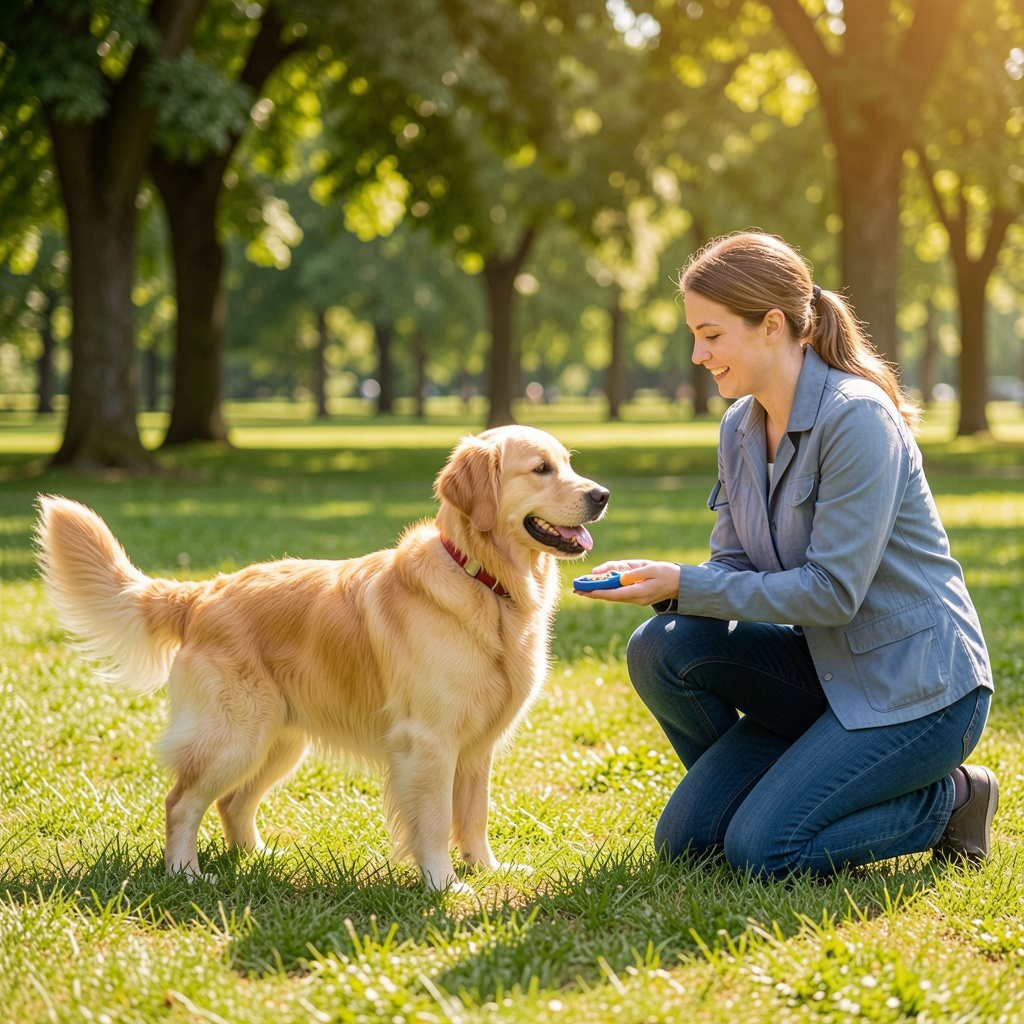
A well-behaved dog is not simply the result of teaching a few commands. Successful home companion dog training focuses on creating everyday habits that help dogs live comfortably within the household while strengthening communication between dogs and their owners. Instead of only responding during formal training sessions, companion dogs learn how to make appropriate choices throughout the day, whether greeting visitors, relaxing indoors, walking politely, or remaining calm around distractions.
Many behavioral challenges begin because dogs do not clearly understand what is expected of them in different environments. Consistent, reward-based training creates predictable routines that help dogs gain confidence while reducing confusion and stress. Through the guidance of Rob’s Dog Training, owners actively participate in the learning process, developing practical skills that improve communication and encourage lasting success.
What Is Home Companion Dog Training?
Home companion dog training focuses on preparing dogs to become reliable family members in everyday situations. Rather than emphasizing advanced competition skills, this type of training teaches practical behaviors that improve daily life.
A balanced companion training program typically includes:
- Basic obedience commands
- Calm greetings with people
- Walking politely on a leash
- Reliable recall
- Settling quietly indoors
- Good manners around visitors
- Appropriate social behavior
- Impulse control exercises
- Confidence-building activities
These skills help dogs participate comfortably in family routines while reducing unwanted behaviors that commonly develop without structure.
Why Everyday Training Matters
Many owners assume dogs naturally understand household expectations. In reality, dogs learn through repetition, consistency, and positive experiences.
Every interaction teaches something. If unwanted behaviors repeatedly succeed, dogs often continue performing them because those behaviors become rewarding.
Regular training creates opportunities to reinforce desirable behaviors such as:
- Waiting patiently at doors
- Remaining calm during meals
- Ignoring distractions on walks
- Greeting guests politely
- Relaxing when left alone
- Responding consistently to cues
Instead of relying on correction after problems occur, companion training focuses on preventing undesirable habits before they become established.
Building Strong Communication
Effective dog training depends on clear communication rather than force. Dogs learn faster when expectations remain consistent, and rewards arrive at the right moment.
Owners improve communication by:
- Giving simple, consistent verbal cues.
- Rewarding correct responses immediately.
- Avoiding mixed signals.
- Practicing regularly in different environments.
- Remaining patient throughout the learning process.
When dogs clearly understand what earns positive outcomes, they become more willing participants in training and everyday life.
Why Positive Reinforcement Works
Modern behavioral science supports positive reinforcement as one of the most effective training approaches for companion dogs. Desired behaviors become more likely to occur again when followed by something rewarding.
Rewards may include:
- Small food treats
- Praise
- Toys
- Play sessions
- Affection
- Access to enjoyable activities
Positive reinforcement encourages enthusiasm while helping dogs build confidence instead of fear or uncertainty.
Developing Reliable Household Manners
Many owners seek training because daily routines become difficult rather than because of serious behavioral issues.
Companion training addresses common household behaviors such as:
Jumping on Guests
Dogs often jump because greeting people is exciting. Teaching an alternative behavior, such as sitting politely, creates calmer introductions.
Excessive Barking
Training helps owners identify why barking occurs while teaching dogs more appropriate responses to environmental triggers.
Pulling on the Leash
Loose-leash walking allows dogs to enjoy walks safely while reducing physical strain on owners.
Counter Surfing
Management combined with consistent reinforcement teaches dogs to leave food alone and focus on approved behaviors.
Door Manners
Teaching dogs to wait calmly before entering or exiting doors improves both safety and self-control.
Socialization Continues Beyond Puppyhood
Although early puppy socialization is valuable, dogs continue learning from new experiences throughout their lives.
Healthy socialization includes gradual exposure to:
- Different people
- Children
- Other dogs
- Various environments
- Household sounds
- Traffic
- Veterinary visits
- Grooming procedures
Positive experiences help dogs develop confidence while reducing anxiety in unfamiliar situations.
The Importance of Consistency
One of the biggest reasons training fails is inconsistency.
If one family member allows jumping while another discourages it, dogs receive conflicting information that slows learning.
Successful households establish shared expectations regarding:
- Furniture access
- Feeding routines
- Walking rules
- Visitor greetings
- Playtime boundaries
- Rest areas
- Command words
When everyone follows the same approach, dogs learn more quickly and reliably.
Training Builds Mental Stimulation
Exercise alone rarely satisfies a dog’s needs. Mental enrichment plays an equally important role in maintaining emotional balance.
Training challenges dogs to:
- Solve problems
- Focus despite distractions
- Practice self-control
- Learn new behaviors
- Build confidence
Regular mental engagement often reduces boredom-related behaviors such as chewing, digging, or excessive barking.
Helping Dogs Develop Impulse Control
Impulse control is an essential part of companion dog training because many unwanted behaviors occur when dogs react before thinking.
Training exercises may include:
- Waiting before meals
- Remaining seated during greetings
- Holding position at doors
- Leaving tempting objects alone
- Responding before chasing distractions
As dogs improve self-control, everyday situations become calmer and more predictable.
Adapting Training for Different Life Stages
Dogs benefit from training throughout every stage of life.
Puppies
Young puppies learn foundational habits that shape future behavior. Early training emphasizes socialization, confidence, and basic household routines.
Adult Dogs
Adult dogs remain highly capable of learning new behaviors. Consistent practice helps replace unwanted habits with more appropriate responses.
Senior Dogs
Older dogs benefit from continued mental stimulation while adapting training to accommodate changing physical abilities. Short, positive sessions help maintain cognitive engagement and strengthen the human-animal bond.
Preventing Common Behavioral Problems
Many challenging behaviors develop gradually rather than appearing suddenly.
Consistent companion training helps prevent issues including:
- Resource guarding
- Separation-related stress
- Reactivity
- Excessive excitement
- Destructive chewing
- Poor recall
- Visitor management problems
Early intervention often produces better long-term outcomes than waiting until behaviors become deeply established.
Creating Successful Training Sessions
Quality matters more than length.
Short sessions often produce better results than extended practice that leads to fatigue or frustration.
Helpful strategies include:
- Train for five to ten minutes.
- End on a successful repetition.
- Practice in different locations.
- Keep rewards motivating.
- Increase distractions gradually.
- Maintain a positive attitude.
- Celebrate small improvements.
Frequent repetition across daily routines strengthens learning far more effectively than occasional marathon sessions.
Training Beyond Basic Commands
Many people associate dog training only with obedience cues such as sit, stay, or come. While these behaviors remain valuable, true companion training extends much further.
Well-rounded companion dogs learn how to:
- Relax during family activities
- Ride calmly in vehicles
- Visit public places appropriately
- Recover quickly from surprises
- Accept grooming
- Cooperate during veterinary care
- Settle quietly while owners work
These practical life skills improve the dog’s overall quality of life while making ownership more enjoyable.
Strengthening the Human-Canine Bond
Training creates opportunities for shared success.
Each successful interaction builds trust as dogs learn that owners provide guidance, safety, and rewarding experiences. Owners also become better at recognizing body language, emotional states, and communication signals.
This mutual understanding strengthens relationships beyond formal training sessions and contributes to a more harmonious home environment.
Avoiding Common Training Mistakes
Even dedicated owners sometimes unintentionally slow progress.
Common mistakes include:
- Expecting immediate perfection
- Inconsistent rules
- Repeating commands multiple times
- Skipping daily practice
- Training only indoors
- Rewarding unwanted behaviors accidentally
Recognizing these habits allows owners to make small adjustments that significantly improve learning outcomes.
Why Professional Guidance Can Help
While many foundational skills can be practiced at home, professional instruction provides valuable structure, feedback, and individualized recommendations.
Experienced trainers observe subtle communication patterns, identify behavioral triggers, and adjust training plans based on each dog’s personality, temperament, and learning style.
Working with knowledgeable professionals also helps owners build confidence while avoiding approaches that may unintentionally create confusion or stress.
Maintaining Progress Over Time
Training does not end once a dog learns a command. Like any learned skill, behaviors remain strongest when practiced regularly.
Simple daily opportunities reinforce good habits:
- Asking for a sit before meals
- Practicing recall during walks
- Rewarding calm greetings
- Reinforcing loose-leash walking
- Encouraging relaxed behavior around guests
These brief moments become part of everyday life while helping dogs maintain reliable responses for years to come.
Final Thoughts
Home companion dog training provides far more than improved obedience. It creates clear communication, encourages confidence, builds impulse control, and helps dogs become dependable members of the family. Through consistent practice, positive reinforcement, thoughtful socialization, and patient guidance, owners establish routines that support lasting behavioral success in real-world situations.
For those seeking personalized guidance, Rob’s Dog Training helps owners build practical everyday skills that strengthen relationships while creating calmer, happier, and more confident companion dogs for life.